About
From London to Abruzzo: How I Got Here
This is not a fairy tale about escaping to Italy. It is the actual story of how I ended up living in rural Abruzzo, what it cost me to figure things out, and why I built this site to help other people make the best possible version of the same decision.
How It Started
I am from London. My wife grew up in Rome. When our son was born in Rome in 2018, we had a decision to make about where and how we wanted to raise him. The city was not what we wanted. I needed peace, space, and a slower pace of life. She wanted him to grow up with the kind of childhood she remembered: outside, in a community, connected to a place rather than passing through it.
Abruzzo was not our first thought. Like most people, when we thought "Italian countryside" we thought Tuscany, Umbria, maybe Le Marche. But we knew the prices, and we knew the expat saturation, and neither of those matched what we were looking for. We wanted to live in Italy, not in a version of Italy curated for foreigners.
Abruzzo came up because it was close to Rome and because the property was affordable. We didn't know anyone here. We visited. Then we visited again. Then we moved.
The Move
Having an Italian wife meant that some things were easier for us than they are for most people considering this move. The language barrier was not a barrier for our household. The bureaucratic processes, while still slow and frustrating, were navigated in Italian by someone who understood the system. The cultural adjustment was real for me, but it was not the shock of total immersion that many expats experience.
I say this not to suggest our experience is typical, but to be honest about it. Even with those advantages, the move was harder than we expected. The administrative processes took longer than anyone had told us. The winter was a revelation for someone used to London cold, which is damp and grey but rarely genuinely freezing. Inland Abruzzo is a different proposition entirely. The rhythms of rural Italian life, the closures, the pace, the assumption that you will adapt to the system rather than the other way around, all of this took adjustment even with a native Italian in the house.
For someone arriving without the language, without the cultural context, and without someone to translate not just the words but the way things work, the learning curve is significantly steeper. I have watched that curve break people.
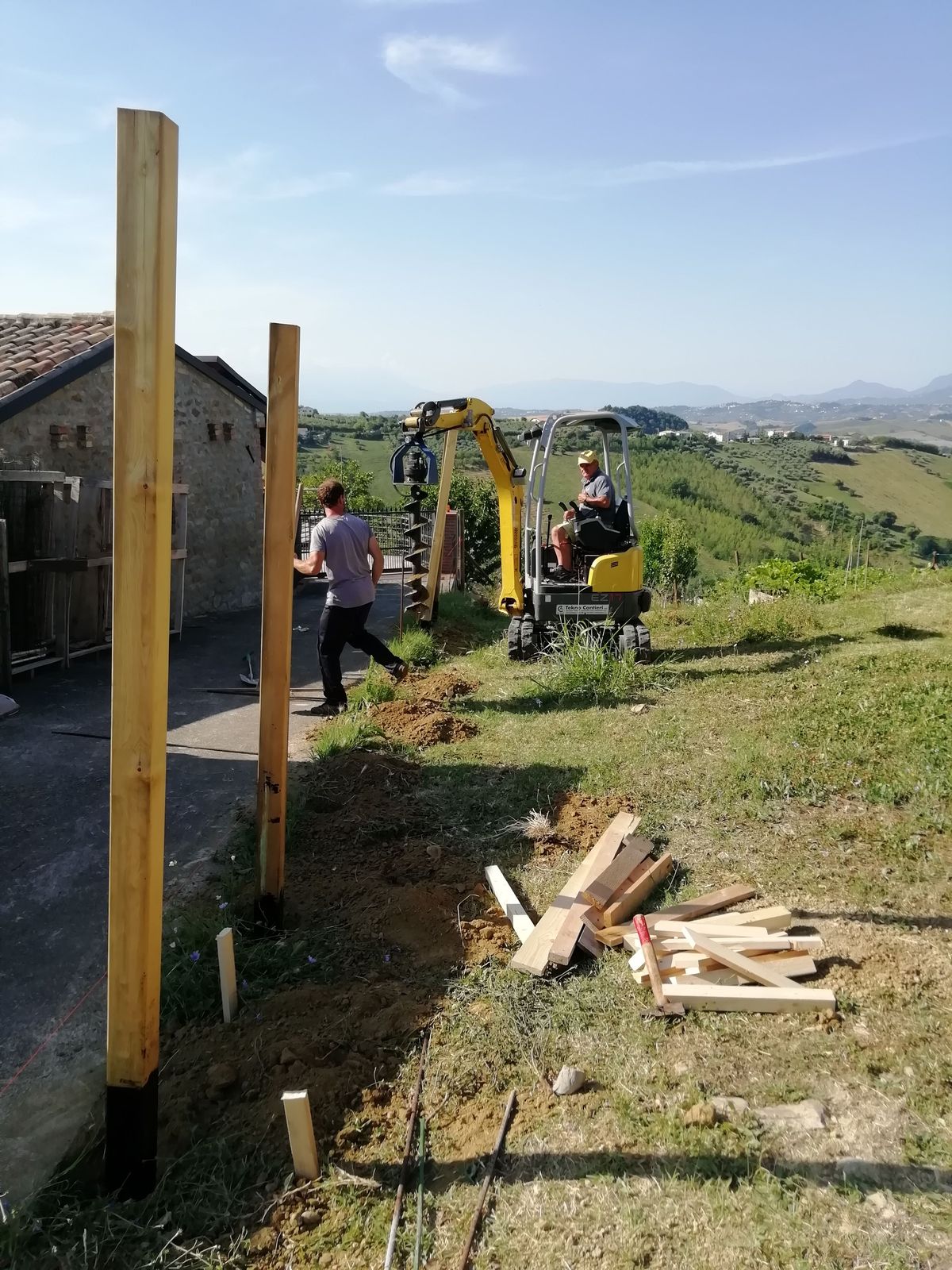
The Difficult Part
The first year was a mixture of excitement and frustration. The excitement is well documented in every expat blog and YouTube channel: the beauty, the food, the sense of starting something new. The frustration is less well documented because it is less photogenic.
The bureaucracy was real. Not just slow, but unpredictable. The same process that took someone else two visits took us four. Rules that we were told applied turned out to have exceptions. Documents that were supposedly sufficient were not. This is normal in Italy, and it does not mean the system is broken. It means the system operates on relationships, local knowledge, and flexibility rather than on the rigid procedural logic that most northern Europeans expect. Once you understand that, it becomes manageable. But the understanding takes time and many wasted journeys.
The social adjustment was slower than I expected. Italians are warm and generous, but rural communities take time to trust outsiders. Being friendly is not the same as being accepted, and real acceptance took years of showing up, learning, making an effort with the language even when my Italian was poor, and demonstrating that we were not here for a season but for good.
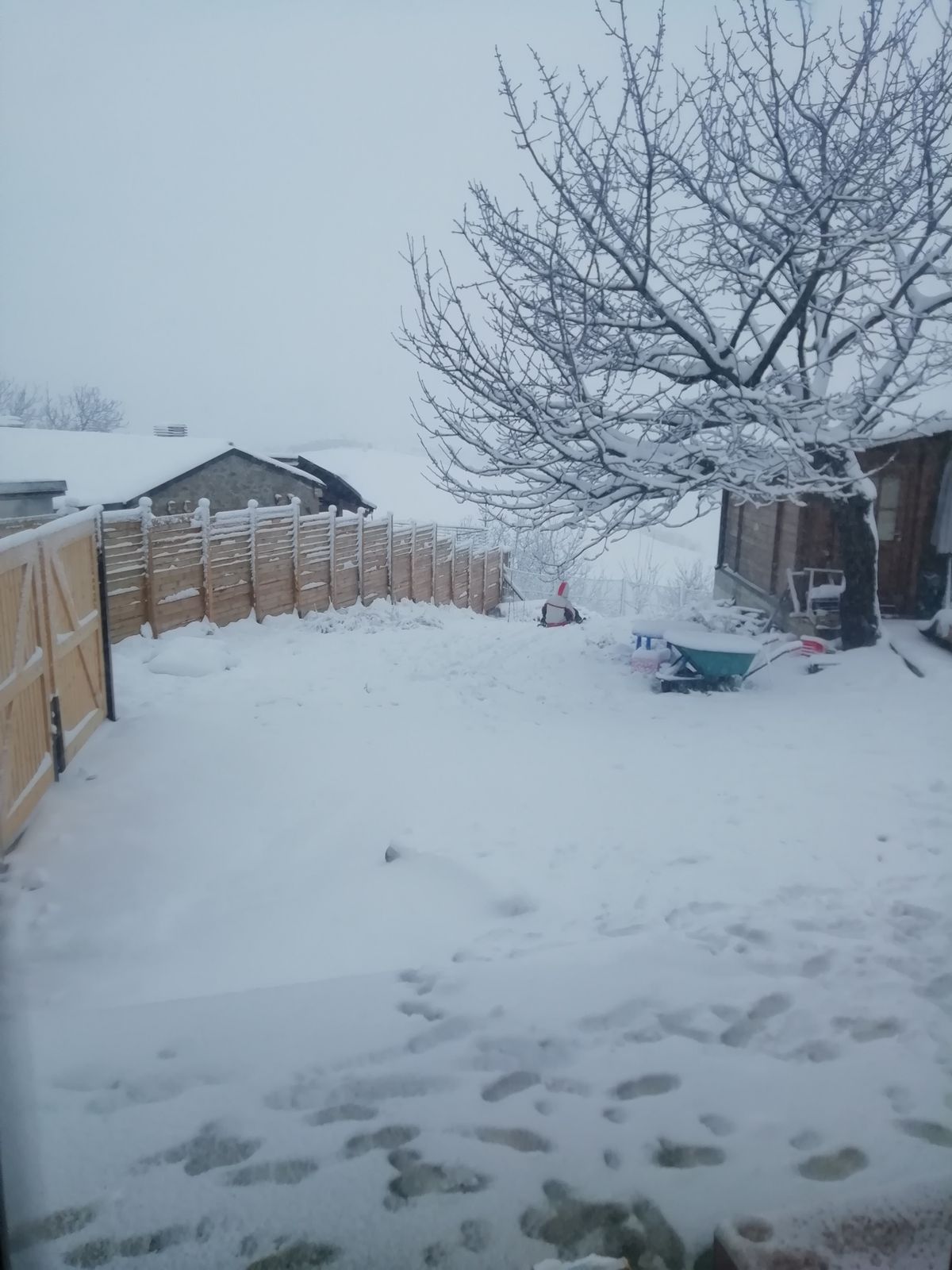

What Changed
Somewhere around year two or three, things shifted. The village stopped feeling like a place I was living and started feeling like home. Neighbours became friends. The rhythms that had frustrated me became comforting. I knew the baker, the mechanic, the woman at the comune. They knew me. The transactions became relationships, and the relationships became the texture of daily life.
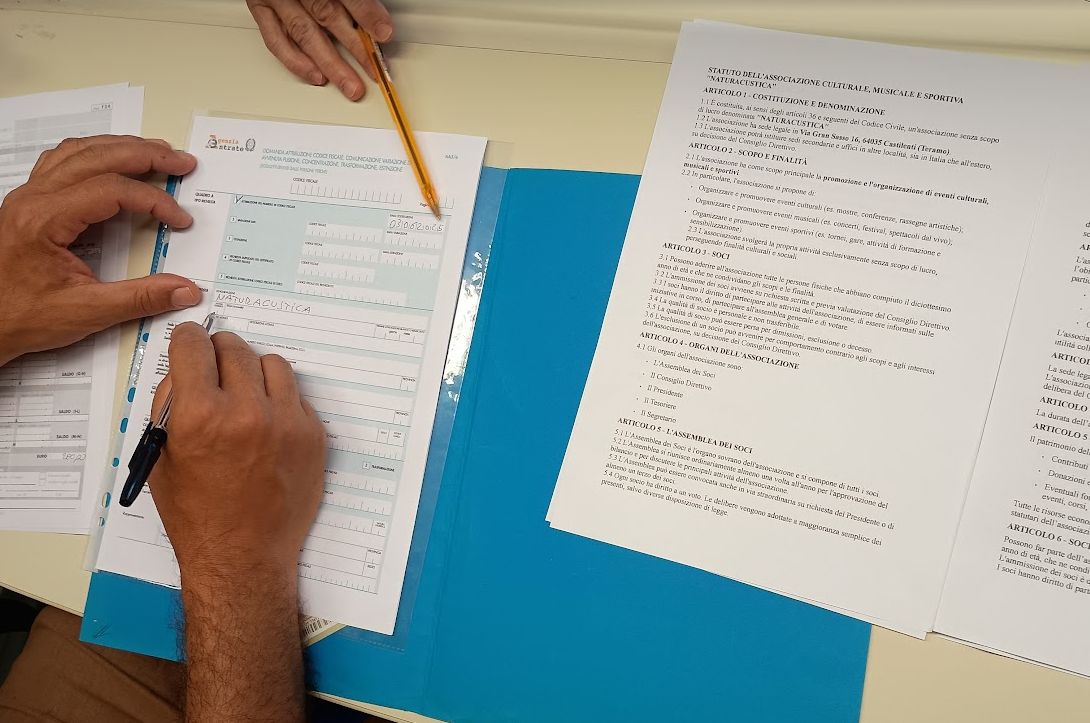
That shift led to something I had not planned. Together with a local landowner and his family, I founded Naturacustica, a cultural association that organises music and arts events across the region. Running an Italian association means dealing with statutes, fiscal codes, municipal permits, insurance, and relationships with local institutions. It is about as far from holiday mode as you can get. But it is also how you become part of a place rather than just living in it.
Silvia did something similar. She founded an Asilo Nel Bosco, a forest nursery for outdoor education, because nothing like it existed locally. Between us, we were not just living in Abruzzo. We were building things that the community actually needed, in a language and a system that we had learned from the inside.
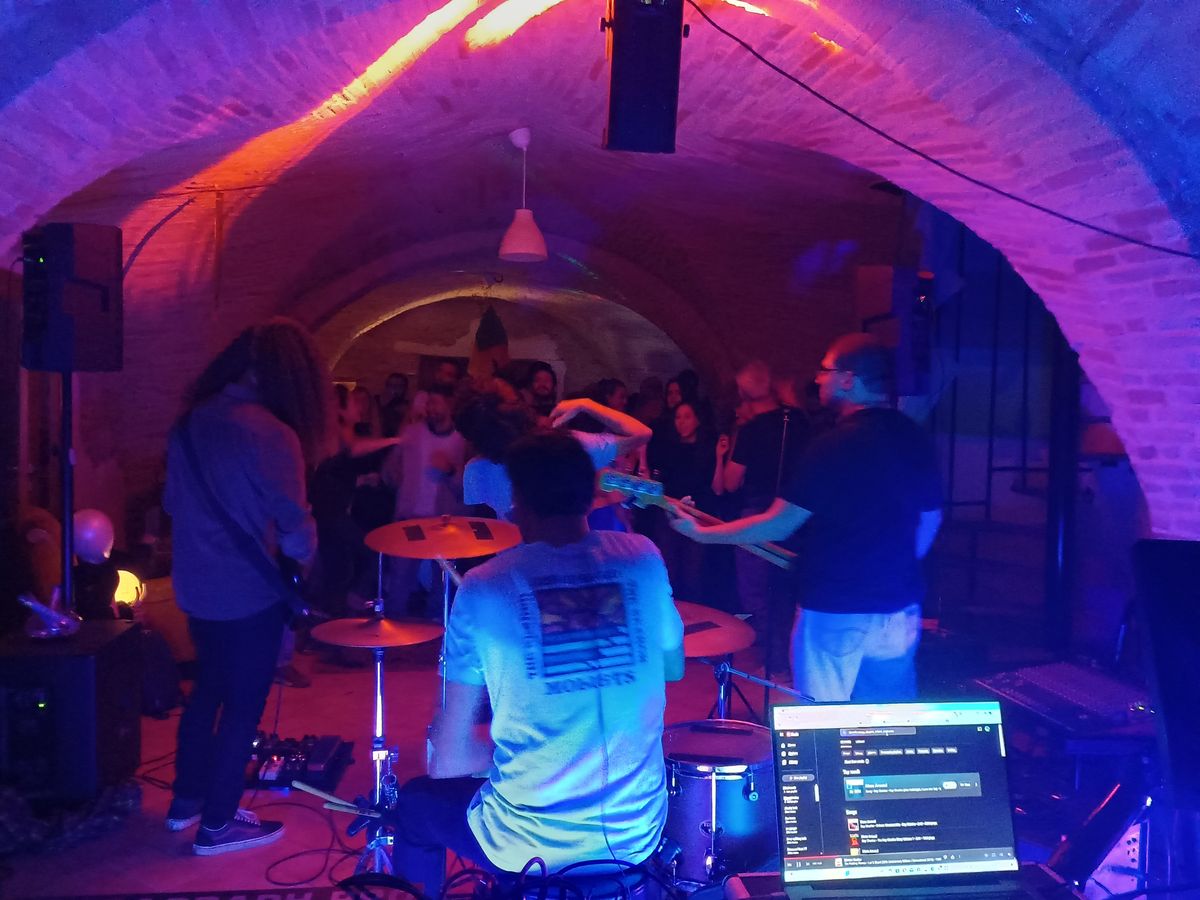
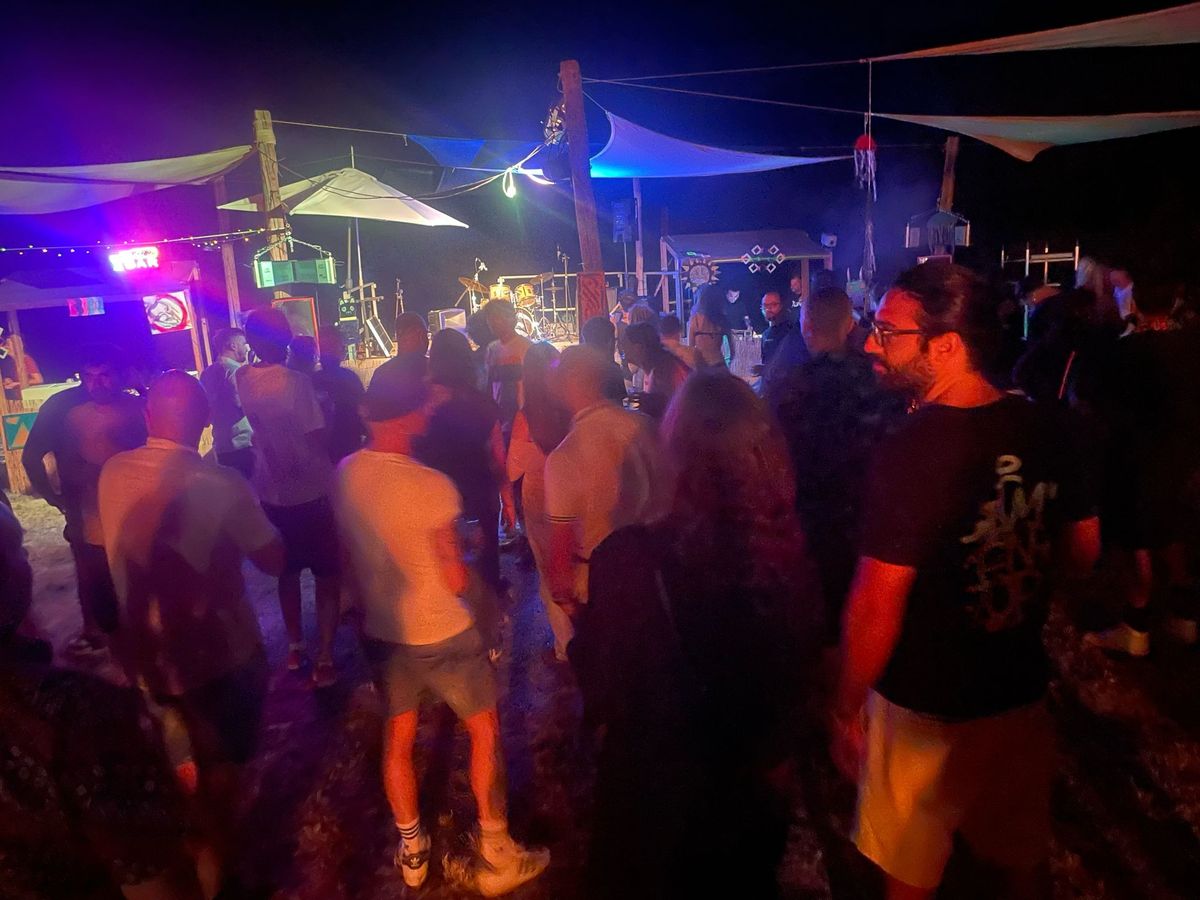
My son was growing up bilingual, running around the village, being looked after by a community in a way that would not have been possible in London or Rome. The things we had hoped for when we made the decision were actually happening, but they had taken longer to materialise than the optimistic version of the story would suggest.
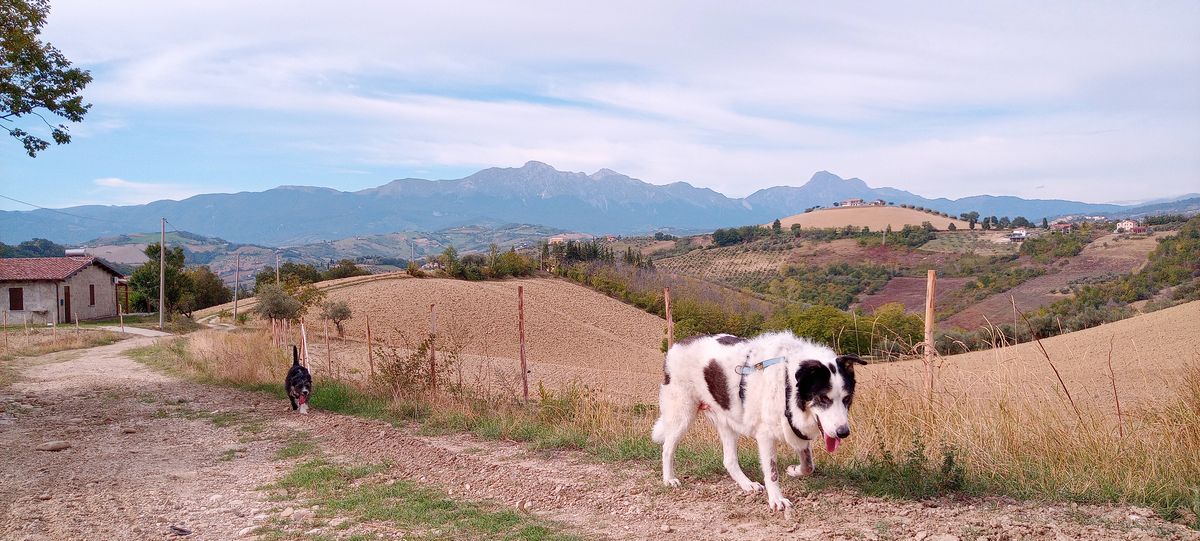
That is the part that most content about moving to Italy leaves out. It works. It can be genuinely wonderful. But the wonderful part does not arrive in month one. It arrives after a period of difficulty that many people are not prepared for, and that difficulty is where the preventable failures happen.
Watching Others
Over the years I have watched other people attempt what we did. The ones who thrive tend to share certain things: they did serious research before committing, they had realistic budgets, they made an effort with the language, and they understood that adapting to Italy meant changing some of their own expectations, not waiting for Italy to adapt to them.
The pattern is remarkably consistent. Preparation is the single biggest predictor of whether someone builds a life here or leaves within two years. Not money, not luck, not personality. Preparation.
I have also watched people struggle in ways that were avoidable. The person who bought a house in a dying village because it was cheap did not know how to check whether a village was dying. The couple whose renovation budget doubled did not understand Italian building bureaucracy. The retiree who was desperately lonely after one winter had never visited between November and March. None of these are failures of character. They are gaps in information that good preparation would have filled.
That is what this site is for. Not to discourage anyone, but to make sure that whatever decision you make is grounded in reality rather than in a version of Italy that exists only in content designed to sell you something.
Why This Site
Moving to Abruzzo exists because deciding whether to relocate is a big deal, and the information available is either hype or scattered across a hundred forums. After years of living here, running a cultural association, navigating bureaucracy from the inside, and watching others attempt the same move, I have the experience and the local network to help: notaries, accountants, bank managers, builders, geometri, healthcare specialists who understand the needs of foreign arrivals.
This is the resource I wished existed when I was figuring it out myself. Not romanticised content designed to generate clicks. Not marketing material from people whose income depends on you buying a property. Honest, practical, specific information about what this move actually involves, what it costs, and how to give yourself the best chance of making a decision you will not regret, whether that decision is yes, not yet, or no.
The retreat takes it further. Three days in Abruzzo, meeting the professionals you will need, seeing properties with educated eyes, asking the questions that most people do not think to ask until it is too late. It is designed as a decision-making tool, not a sales pitch. People leave the retreat knowing whether Abruzzo is right for them, and that is equally valuable whether the answer is yes, not yet, or no.
I do not claim to have all the answers. Every situation is different, rules change, and Italy is complex enough that certainty is rarely justified. But I can share what I have learned and observed, help you ask the right questions, and ensure that whatever decision you make is based on reality rather than on a version of Italy that exists only in content designed to sell you something.
The Short Version
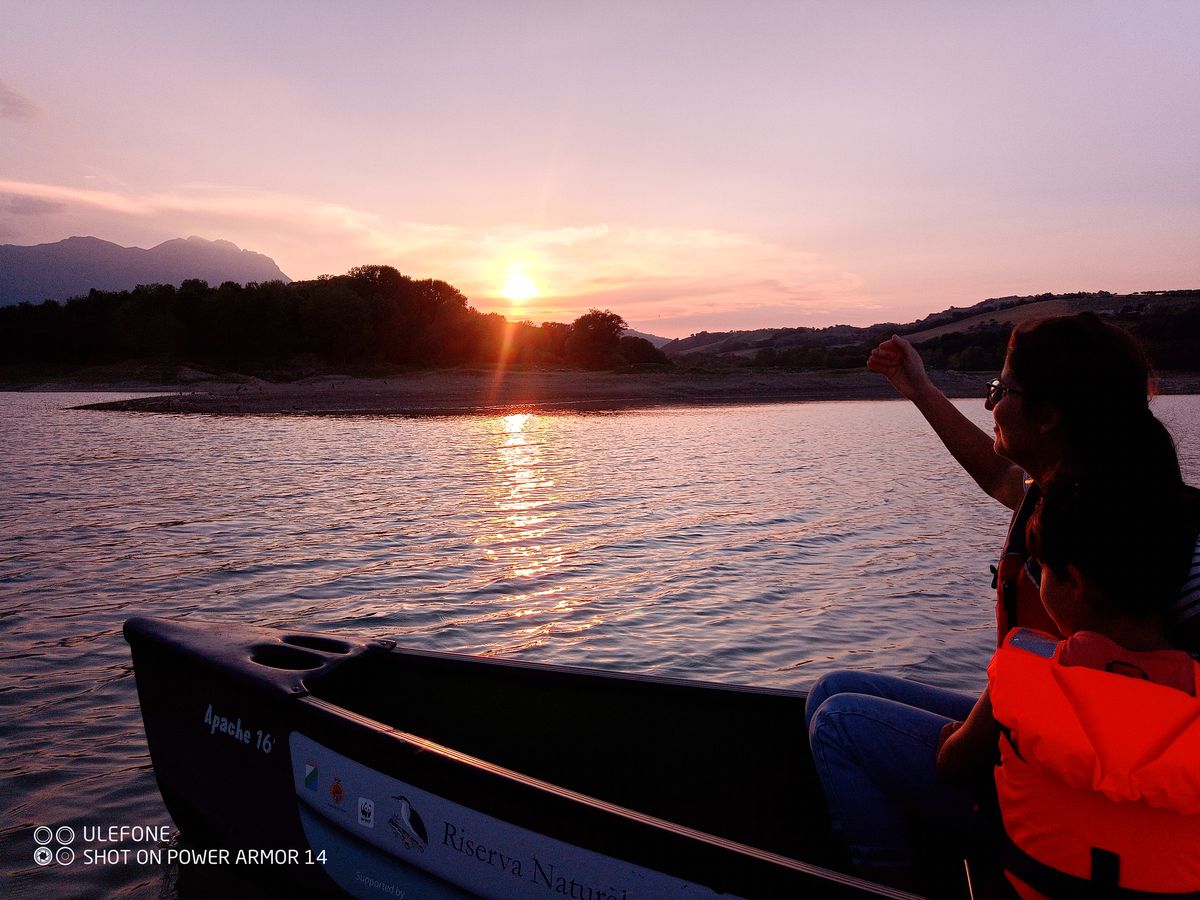
I moved to Abruzzo in 2018 with my Italian wife Silvia and our young son. It was harder than expected and better than hoped. I founded a cultural association, Silvia started a forest nursery. We learned the bureaucracy from the inside and built the kind of life that only comes from genuine integration. Now, after years of living here and seeing what makes the difference between people who thrive and people who struggle, this site is the resource I wished existed when I was figuring it out myself.